Secrets to Producing Top-Quality Custom Embroidered Patches
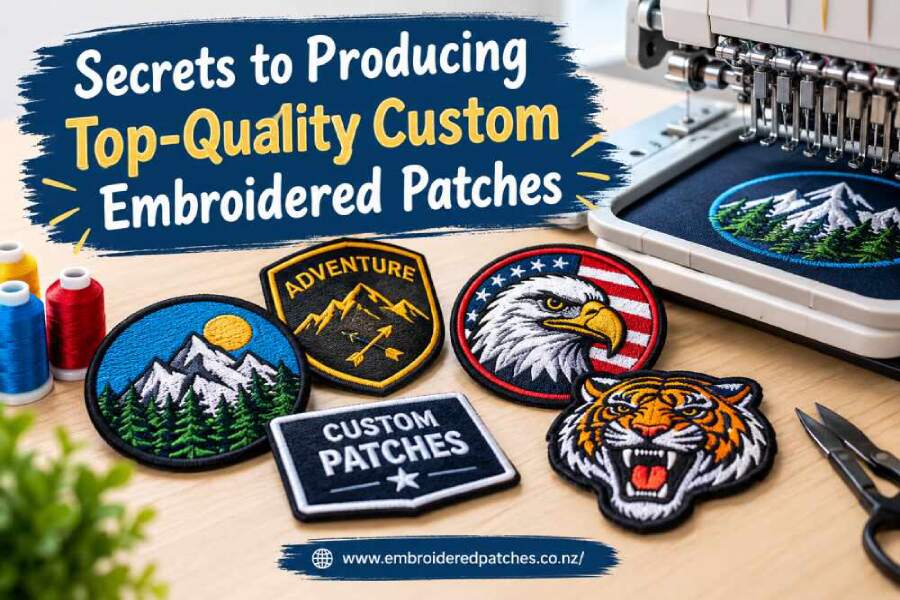
We all love personalising our apparel, don’t we? And one of the common ways to do so is with the help of custom embroidered patches.
These custom embroidered patches have widespread acclaim not only in New Zealand but also worldwide. This is actually because they not only offer high durability and a textured 3D look but also easy versatility for branding and fashion.
They can instantly turn your plain clothing into unique items without wearing out quickly. But the question is, how can you produce premium-quality embroidered patches?
Let’s take a look at what embroidered patches actually are and how you can produce them.
What Really Are Custom Embroidered Patches?
Let’s begin by getting an overview of what custom embroidered patches actually are.
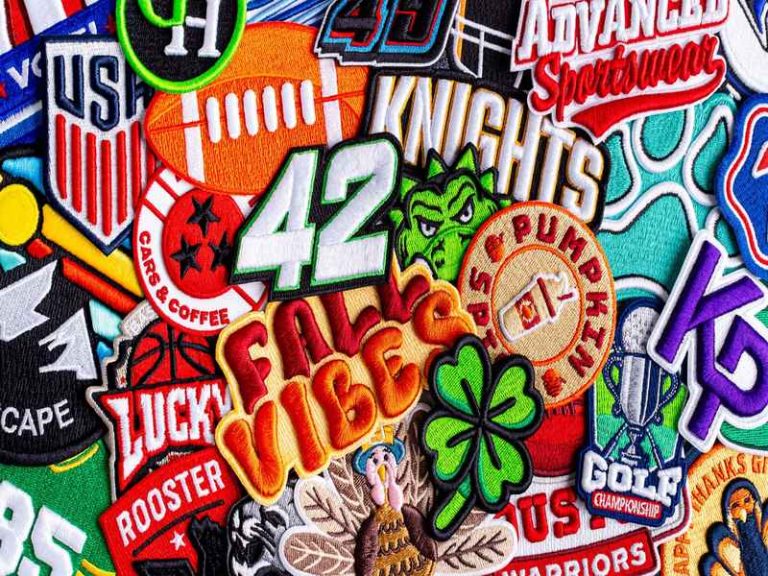
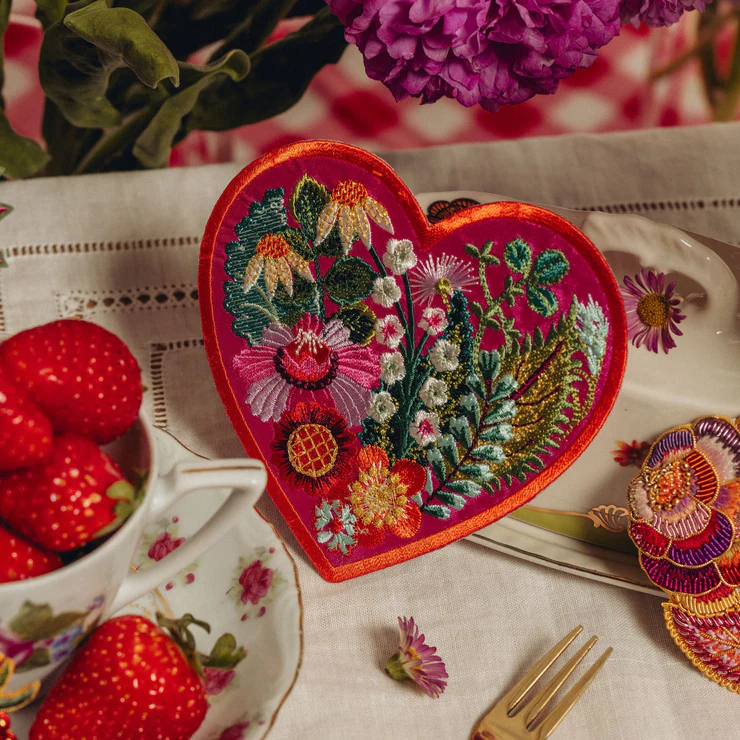
Custom embroidered patches are basically personalised fabric badges. And they are created by stitching colourful threads onto a base material like twill or felt.
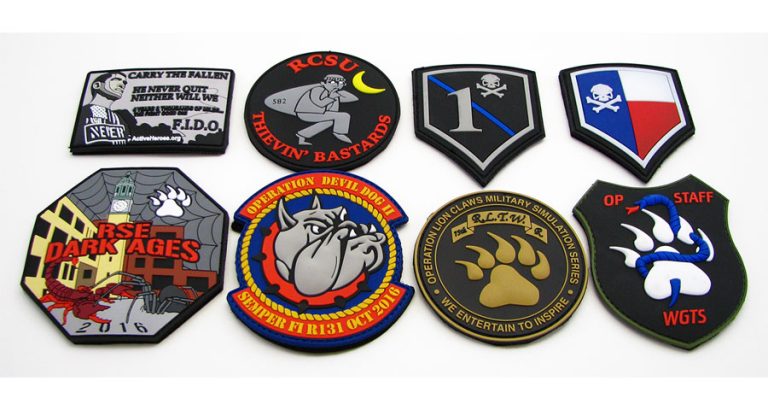
They are a bit different from iron on patches. An embroidered patch is actually a design created with raised thread stitching on a fabric backing. An iron on patch, on the flip side, is a patch with a heat-activated adhesive backing that attaches with an iron.
In fact, an embroidered patch can also be an iron-on patch if it has glue on the back.
On top of that, these patches offer not only a raised and textured design but also a long-lasting one that is used for branding, uniforms, and style.
EmbroideredPatches.co.nz is actually one of the finest patch makers in New Zealand. They will provide you with high-quality, customised embroidered patches at a pretty reasonable price.
Why Do People Even Love Custom Embroidered Patches?
Have you ever wondered why people even love these custom embroidered patches?
Well, people actually adore these patches because they not only offer self-expression and add textured style but also provide a sustainable way to upgrade old clothing.
The following are the key reasons why people really love custom embroidered patches:
● Built to Last
One of the main reasons custom embroidered patches are highly popular in New Zealand is their high durability. Their high-quality stitched threads and thick twill backgrounds last for years. And they effortlessly resist heavy friction, weather, and regular washing.
● Textured Depth
Most people love a slightly textured look in their apparel. And this can be easily achieved with a custom embroidered patch. Yes, you read that right! These patches are known for providing a textured depth to your clothing.
The raised stitching adds a rich, tactile look and physical dimension that flat printed graphics cannot really match.
● Unique Identity
In addition to this, these patches allow you to show off not only your personal hobbies but also your favourite bands and original artwork. With these embroidered patches, you no longer have to wear boring and generic store-bought clothes. This way, you can also show your personal style.
● Flexible Use
Don’t tell us that you think embroidered patches can only be stitched onto your clothing. Obviously, they can be sewn to the apparel. But that’s not the only attachment method. Apart from sewing, you can also iron them. You just need an adhesive backing.
When you iron them, the glue will melt and stick to your apparel. Besides that, you can also attach them with Velcro to hats, jackets, bags, and uniforms.
● Cost-Effective Promotion
Last but not least, these custom patches are also in high demand from brands. This is because they can result in a cost-effective promotion. Businesses and teams use them on uniforms or merch because they look professional and last longer than paper flyers or cheap promo items.
How Can You Produce Top-Quality Custom Embroidered Patches?
But the main question is, how can you make top-tier custom embroidered patches?
To produce premium-quality custom embroidered patches, you must first take care of the design and digitisation. Make sure that you choose a high-grade material for your patches. Finally, begin the production process and ensure proper finishing.
● Design and Digitisation
First of all, you must use not only bold lines and clear shapes but also high-contrast thread colours. This will help you ensure that the design remains readable even from a distance.
On top of that, you should choose opposing shades for text, background, and borders to keep text readable. You also need to convert graphics into clean stitch paths with proper density and pull compensation to stop puckering.
● Material Selection
You must also use a sturdy backing. For this, you can use a strong base fabric like twill or specialised stabiliser film to support dense stitching without puckering. You should also opt for colourfast polyester thread for maximum fade resistance and wash durability. In fact, rayon can also be a good choice for a higher-sheen finish.
● Production and Finishing
Besides that, you need to run precise embroidery. To ensure that, you must operate commercial or multi-needle embroidery machines to layer the fills and details uniformly.
In addition to this, you should finish edges with a tight merrowed border. This will help you prevent fraying. You can also use a precise heat-cut seal for intricate die-cut shapes.
Finally, attach a backing of your choice. You can heat-press an iron-on adhesive, apply plastic backing, or stitch hook-and-loop (Velcro) fasteners to the reverse side depending on your personal preference.
Can You Seek Professional Assistance with Custom Embroidered Patches?
Yes, you can definitely seek professional assistance with custom embroidered patches in NZ. This is because making custom embroidered patches can be a bit challenging.
When it comes to finding the most reliable custom embroidered patch makers in New Zealand, Embroidered Patches NZ is the name that pops up in everyone’s mind. They are known for
- Sturdy and premium-quality patches
- Pocket-friendly pricing
- Free mockup edits
- Quick turnaround time
- Advanced tools and machinery
People Also Ask
What are custom embroidered patches?
Ans. Custom embroidered patches are personalised fabric badges that are created by stitching colourful threads onto a cloth backing to display not only a unique logo but also text or design.
Should you really seek assistance with custom embroidered patches?
Ans. Yes, you should definitely seek expert assistance with custom embroidered patches. This is because it helps you choose the right thread density, backing type, and design scaling. These professionals also help you prevent costly production errors.
How can you actually produce top-quality custom embroidered patches?
Ans. To produce top-notch custom embroidered patches, you need to handle the design and digitisation first. You must choose a high-grade material for your patches. Finally, begin the production of your patches and ensure proper finishing.
Wrapping It Up!
Custom embroidered patches are quite popular in New Zealand. This is because they offer not only durability and textured depth but also cost-effective promotion. They also offer high flexibility and allow you to express your unique identity.
To produce these patches, all you have to do is make an appealing design and digitise it. Also, select the right material for the patches. Finally, run precise embroidery and ensure premium finishing.
But making these patches by yourself can be a bit challenging and time-consuming. However, to avoid this, you can also seek assistance from EmbroideredPatches.co.nz.
Their team of highly skilled digitizers and embroiderers utilise cutting-edge tools and machinery. This helps them produce top-notch custom embroidered patches.

I am a passionate voice behind the blog at EmbroideredPatches.co.nz, sharing insights that help readers explore the art and impact of custom patch design. I focus on creating helpful, easy-to-understand content about trends, materials, and creative ideas in the patch industry. My goal is to inspire businesses, designers, and enthusiasts with practical tips and real-world guidance. Through each post, I aim to simplify complex processes and highlight quality craftsmanship. I believe in building trust by delivering authentic, useful information that supports better design decisions.