How To Create Professional Military Patches For Any Organisation
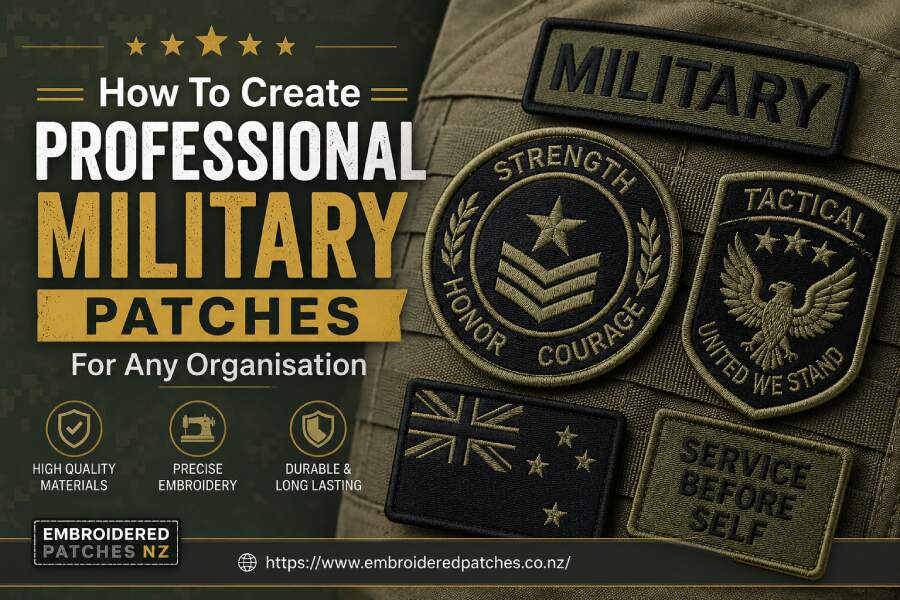
Would you like to create quality patches that meet all regulations? Simplify the graphics of your unit, use embroidery or PVC materials, choose safe Velcro backing, and check for proper heraldry standards before proceeding.
Partnering With Reliable Military Patches Manufacturers For Timeless Quality
Think about entering an emergency deployment scenario, a tactical training exercise, or even a corporate team exercise in which every member of the team becomes easily identifiable by just one look.
In high-stress situations, a small patch placed on the shoulder area of the uniform holds great significance, much more than for simple identification purposes. This indicates the wearer’s rank, recognises their achievements, and also creates visual unity among the teammates.
Besides official units in armed forces, security services, outdoor organisations, and even corporate groups are turning toward using patches to enhance their public image.
It is necessary to have knowledge about artwork preparation, choosing appropriate threads, and attaching these patches to produce a reliable and visually appealing patch. Adhering to a design process helps an organisation make reliable patches.
Choose High-Grade Base Fabrics For Maximum Longevity
Selecting a strong base material will ensure that the patch does not change its form due to excessive use on a daily basis.
Heavy-duty twill, canvas, and synthetic materials provide excellent foundations that can endure any amount of fraying, stretching, and fading.
In making custom patches for field uniforms or outer clothing, choose moisture-resistant fabrics to make sure that the design can endure difficult weather conditions without deteriorating.
The durable base material will guard the thin threadwork from intense cleaning, rough outdoor elements, and consistent physical touch. Using high-quality base material will ensure that each completed patch becomes a lasting source of pride for the whole team.
Define Sharp Vector Artwork For Crystal-Clear Details
Transforming a digital graphic into an actual fabric logo calls for strong lines, strong colours, borders, and vectorised fonts. Complex designs or tiny fonts tend to become unclear after being transferred into threads, so simplification will make your logo more visible on fabric.
Contrasting colours make it easy to read symbols from afar and are vital for first responders and security personnel. Skilled digitisers translate vector graphics into accurate stitch maps that dictate where each thread should be placed with precision.
Properly designed artwork avoids thread tangling, keeps thin border lines, and guarantees all logo elements are visible in their clearest form.
Select Secure Attachment Backings For Daily Gear Utility
Each operational environment requires a different backing system, from sewn-in permanently to more versatile, easy-to-replace systems.
The hook-and-loop backing is extremely versatile, particularly for tactical units that change badges on different uniform items.
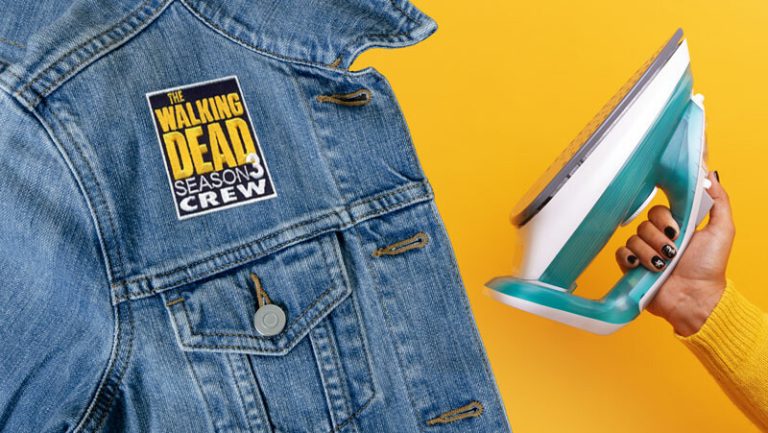
Iron-on heat seal backing is very fast to apply on informal wear, and sew-on backings have the advantage of giving permanent protection for hard-wearing uniforms. Adhesive backings are ideal for temporary events, trade shows, or campaigns.
Selecting the right backing system guarantees that all badges will be securely attached during any field operations.
Pick Suitable Border Options To Prevent Edge Fraying
Border finishes in patch production significantly contribute not only to the visual appearance of the product but also to its general physical durability.
The Merrow border type has a completely enclosed thread edge that makes it perfect for conventional round or shield patches.
The laser-cut border type creates clean edges and allows custom-made patch shapes that include sharp angles and cutouts. Proper fixing of patches prevents the outward unraveling of the threads when applied to tactical jackets, backpacks, and caps.
When creating military patches NZ, organisations can choose appropriate types of edge finishes depending on the specific environment of use to make sure that their badges always look neat and professional.
Partner With Experienced Manufacturers For Quality Assurance
Working with experienced patch makers helps save production costs and ensures colour coordination throughout the order.
The professional patch suppliers send out samples of products either in a physical format or digitally for verification purposes before production starts.
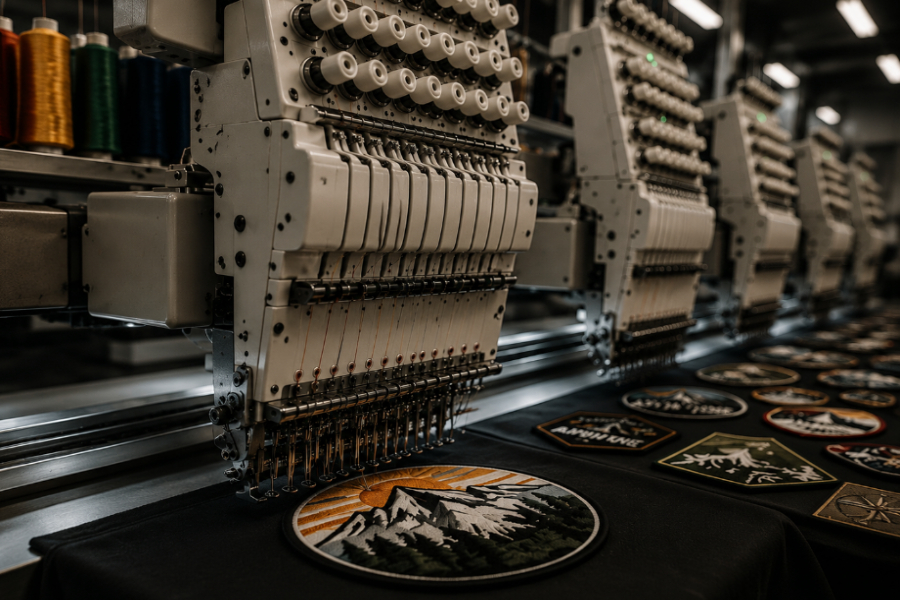
The experienced patch producers use multi-head embroidery machines that reproduce designs consistently throughout hundreds of units. The process ensures that the colours are coordinated, the backing adhesives hold well, and that the timelines are met completely.
Working together with skilled producers allows companies to obtain quality patches that reflect their company’s identity.
Review Samples Before Ordering Larger Quantities
A sample allows the chance to assess the real product.
It might not be possible to see how threads, PVC, fabrics, border, colours, and backing would actually look when viewing a digital version of artwork.
Before placing a big order, one must check the following in the sample:
- Proper proportion and size
- Colours
- The border
- Backing
- The small print or details
- Finishing of the patch
This process is quite helpful for organisations that require patches for their uniforms or those placing bulk orders since it becomes more convenient to correct the design before large-scale production.
Everything To Know Before Creating Military Patches
What process do organisations follow to create digital designs of embroidery patches?
A vector design that has sharp contrasts and simple logos will result in better-quality details. Any fine lines and small texts must be enlarged or simplified for the digitising process of the thread map to capture all details and prevent bunching and blurring in multi-head sewing machines.
Which kind of attachment backing will allow more versatility for field equipment?
The most versatile option is a hook-and-loop attachment backing, which allows members to switch the patch from one piece of gear to another, such as jackets, caps, and duffel bags. Permanent sew-in backings will provide extra security when attached permanently to tough uniforms.
What distinguishes merrowed borders from laser-cut borders?
The merrowed borders have a thick seal that wraps around the regular shape, preventing fraying on the outside edge. Laser-cut borders have a heat seal that will outline custom shapes, including those with angles and cutouts.
How does thread density affect the quality of the patches?
Thread density results in visual vibrancy that has total coverage of the fabric and clear outlines. This enhances structural strength to guarantee fine logo details are well defined and have an excellent finish after many washes and physical exposure.
Why is durable twill material preferred for base material?
Durable twill material serves as a non-stretchable base material that holds high-density stitching without puckering. The base material prevents fraying, fading, and tearing to allow custom uniform badges to maintain their shape, brilliant colours, and quality finish during daily outdoor operational activities.
Conclusion
Designing custom military-inspired badges is an efficient method of increasing organisational pride, developing a proper hierarchy within the organisation, and creating an impressive image in public perception.
The focus on the quality of base materials, vector graphics, border sewing, and backing systems allows designing patches able to withstand everyday wear and tear.
Closely collaborating with skilled manufacturers guarantees that every element is tailored to match your design specifications and branding needs. Even small elements leave an indelible mark on clients, business associates, and even your own team members.
Investment in high-quality patches turns regular uniforms into strong statements of common vision, professionalism, and group accomplishment.

I am a passionate voice behind the blog at EmbroideredPatches.co.nz, sharing insights that help readers explore the art and impact of custom patch design. I focus on creating helpful, easy-to-understand content about trends, materials, and creative ideas in the patch industry. My goal is to inspire businesses, designers, and enthusiasts with practical tips and real-world guidance. Through each post, I aim to simplify complex processes and highlight quality craftsmanship. I believe in building trust by delivering authentic, useful information that supports better design decisions.