Top Trends In Iron On Patch Designs For Fashion Apparel In 2026
Iron-on patches have a history as a classic accessory, known for their creativity, individuality, and fashion from the 80s to today. Embroided patches blend heritage and innovation in 2026. They are a perfect statement to express uniqueness, enhance your apparel, and refresh vintage attire.
The world of custom patches is evolving rapidly, and 2026 is shaping up to be a creative year. Iron-on patches offer personalization and endless inspiration, whether you are a business owner, a designer, a brand, or someone who loves custom patches. This blog will walk you through the top trends of iron-on patches in 2026 and their applications.
What Are Iron-On Patches And How Do They Work
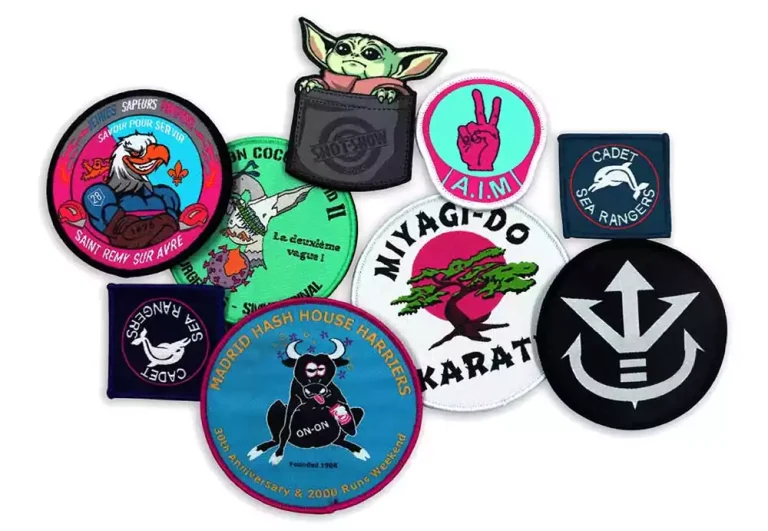
Iron-on badges are embroidered fabric pieces with intricate designs and adhesive backing. They are accessible to anyone and offer a variety of customization options, from simple bold designs and letters to artwork and logos.
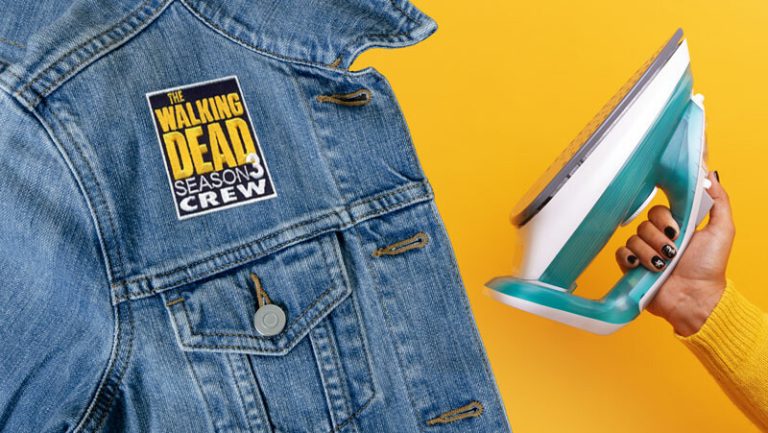
Iron on patches NZ are custom emblems that can be affixed to any item using the heat-activated adhesive backing. Sew-on patches require stitching to attach, while iron-on patches just need to be ironed to melt the glue and create a strong bond between the fabric and the emblems. They can be used for customization, decoration, and repairing old attire, and come in various sizes and shapes.
Top Trends Of Iron-On Patches
Custom patches have evolved from the 80s’ simple, nostalgic addition to a 60-second customization tool, driving texture, bold, cultural, and functional aesthetics. The patch bar, once a customizing option in-store, has become a dominant trend, offering a unique and immediate fashion product. The following are the hottest trends of iron-on patches designs for 2026 fashion apparel.
1. Tactile And Texture Embroidery
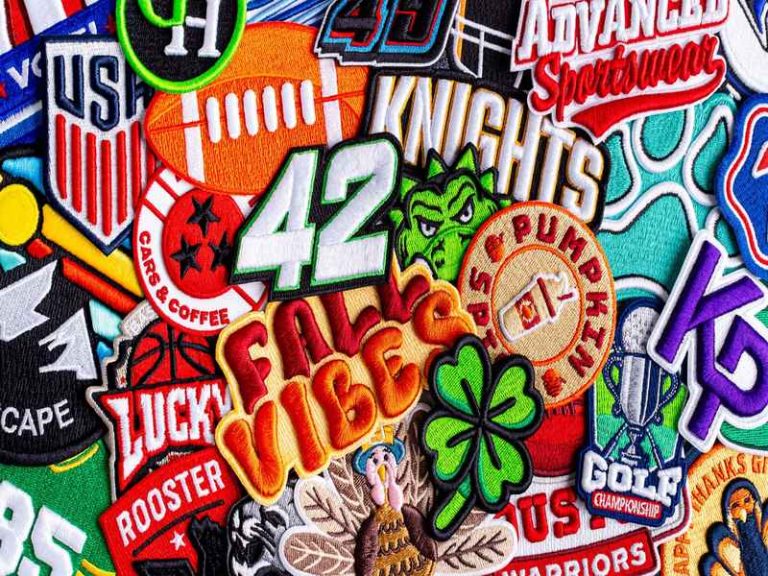
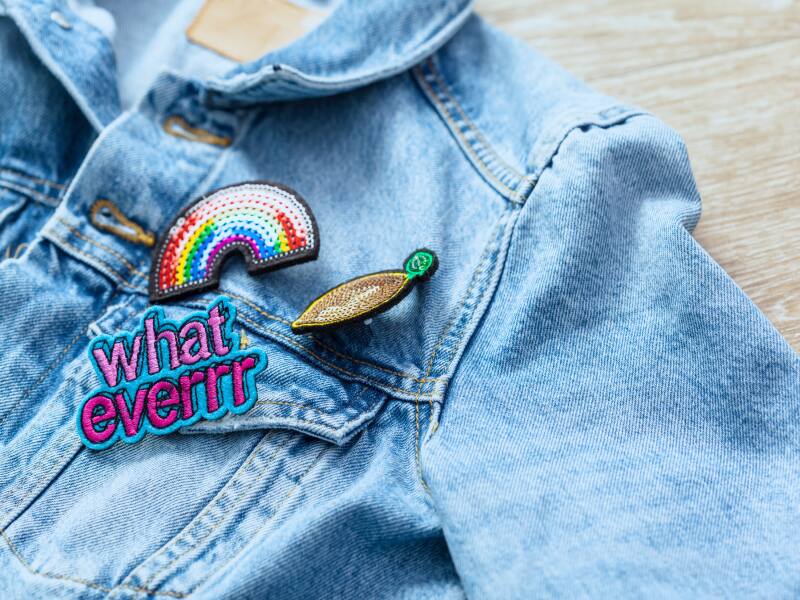
3D chenille, soft embroidery, and fizzy patches with raised texture give a nostalgic, tactile feel, adding depth and dimension to varsity jackets, streetwear, and sweaters. Designs using diverse materials like felt, beads, sequins, and metallic threads in a single patch offer a luxurious, textured feel. Cut paper designs and mimicking handmade designs embrace aesthetic patches that showcase visible stitching and layered texture, making it a tactile craft.
2. Bold Graphics And Typography
Designing a simple logo trend has grown old, and it’s now introducing large, bold typography, offering a central artwork for hoodies and jackets. Y2K and early 200s tech optimism has surged the demand for pixelated graphics, gradients, and emoji-like expressions. The blurred line between real and surreal design creates desiring, dreamy visuals popular for an uncanny yet cool look.
3. Hyper Individualism And Cultural Expression
AI tools are generating unique, surreal, and complex designs blending with traditional embroidery. A trend of traditional ornamental borders and handmade botanicals has entered modern fashion, encouraging a cultural and folk depth. Retro motifs of the 60s and 70s are now blending into modern fashion, reflecting a desire to combine history with personalized style.
4. Eco-Conscious And Functional Design
Sustainability has become a priority for major consumers. Patches made from organic cotton, recycled polyester, and biodegradable threads offer an eco-friendly option and the new standard. Emblems are adding utility, such as incorporating QR codes, and recycling and repairing old clothes is now a stylish choice.
5. Specific Design Motifs
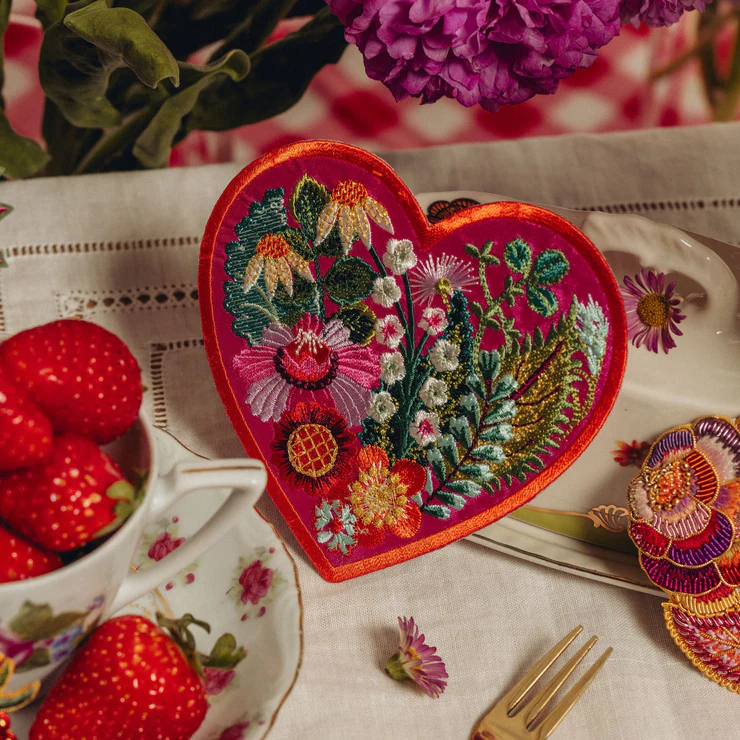
Oversized 3D florals and botanicals are transforming into wearable art for everyday wear. High-contrast animal prints are converted into warm-toned, subtle, nature-inspired patches, such as deer- or flora-and-fauna-inspired designs. A minimalist design outline or a single line looks elegant on pockets and collars.
Applications Of Iron-On Patches
Iron-on patches are cost-effective, DIY-friendly, and versatile options for transforming, upgrading, and customizing your apparel. These patches offer a stylish and functional solution, including branded or custom embroidered patches on denim jackets, tote bags, hoodies, and backpacks.
· Garment Repair And Upcycling
People often discard their garments and clothes due to holes, stains, and tears. Instead of throwing, use iron-on patches cover stains, faded elbows, or worn-out areas on shirts and pants.
· Custom branding And Uniforms
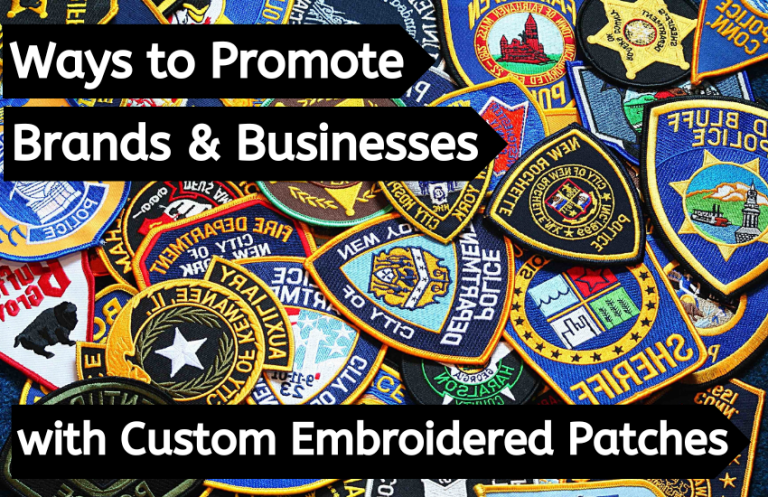
You have seen employees having company logo or ranks on their uniforms. Businesses, clubs, and brands use these custom patches ot showcase names, numbers, logos, and ranks on workwear and team uniforms.
· Denim Customization
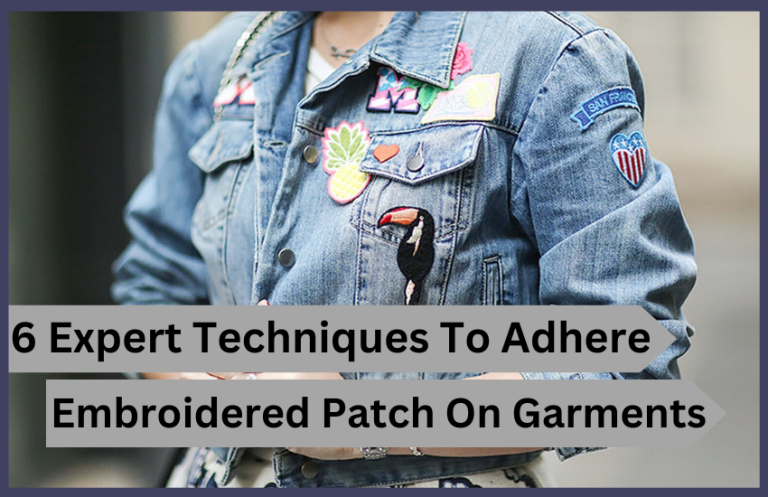
People often use custom patches on denim jackets, jeans, and shorts to add a personalized, artistic touch to their attire.
· Streetwear And Accessories
Vintage and old-fashioned statements have come back. You can apply iron-on patches to beanies, sweatshirts, hoodies, and hats for a 90s vintage and bold statement.
· Creative Placement
Patches are not only used for standard places; they can also be customized for sleeves, pockets, and collars to transform a simple garment into unique pieces.
Frequently Asked Questions
Can I apply iron-on patches to every type of fabric?
Applying patches to denim jackets never goes out of trend, but in 2026 the trend is to place patches in front of hoodies, on sleeves, on pockets, and on blazers.
How can my patches look so professional?
Mix different textures to make custom patches, like combining embroidered with chinelle or leather, with intricate details rather than large block patterns, to achieve a high-end look.
Which apparel is best for iron-on patches in 2026?
Iron-on patches work best on heat-resistant fabric, and it is recommended to apply iron-on patches on fabric like cotton and denim. For delicate fabrics, sew the edges of patches onto the fabric, such as leather, to prevent high-heat damage.
The Bottom Line
Whether you want to customize for brand promotion, merchandise, a sports club, or fashion, iron-on emblems offer various inspirational designs in 2026. Iron-on patches are made with a heat-activated adhesive backing that requires ironing to melt the glue and bond to the fabric. They are designed with intricate details and embroidery.
Tactile, raised textures have become the trend in 2026, with multiple materials and layered textures. Bold, large typography and the vintage style of the 60s and 70s are also among the top trends of 2026. Using eco-friendly materials and specific minimal designs like animal or wood plants instead of large, old block prints.

I am a passionate voice behind the blog at EmbroideredPatches.co.nz, sharing insights that help readers explore the art and impact of custom patch design. I focus on creating helpful, easy-to-understand content about trends, materials, and creative ideas in the patch industry. My goal is to inspire businesses, designers, and enthusiasts with practical tips and real-world guidance. Through each post, I aim to simplify complex processes and highlight quality craftsmanship. I believe in building trust by delivering authentic, useful information that supports better design decisions.